
10 Things I Wish I Knew Before Going Vegan for the First Time (21 Years Later)
A practical, real-life guide to starting vegan, without overthinking it.
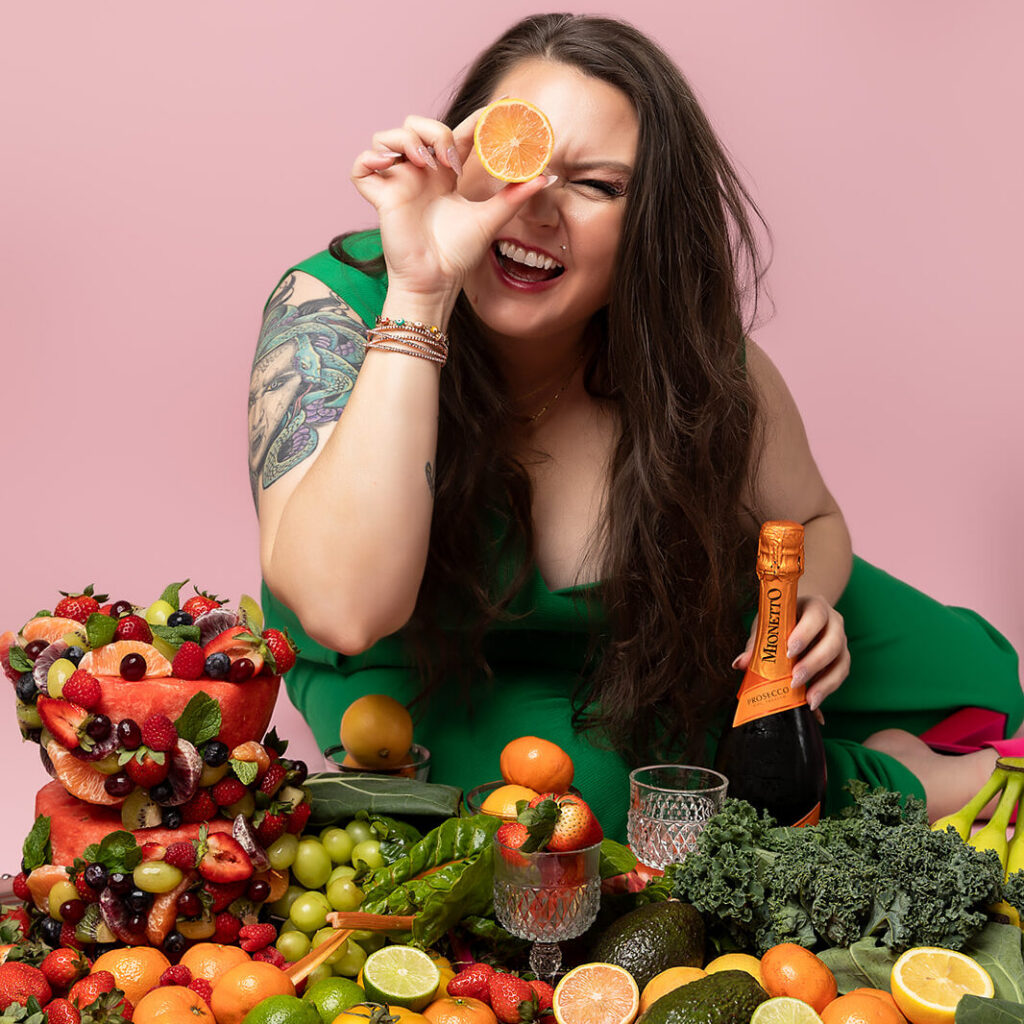
I went vegan in 2005, after first going vegetarian. My journey started when I moved to an almond ranch at the age of 11. I found myself surrounded by nature: birds, coyotes, rabbits, and other animals referred to as livestock. This is when my mindset began to shift, my eating habits changed, and I started to question who was on my plate. I didn’t know what to do, but I knew what I no longer wanted to do: eat animals. Living in California’s heart of agriculture, the Central Valley, didn’t deter me, but at first, made things more difficult. My go-to resource at the time was PETA. They offered practical guides on shopping for “accidentally vegan” products and were great about letting you know which fast-food fries were animal-free. Now I do my best to be the resource I needed when I went vegan.
If you’re going vegan for the first time, it can feel overwhelming. There’s a lot of information, a lot of opinions, and not always a lot of reassurance. Here are 10 things I wish someone had told me when I started…
01 – You don’t need to know everything to get started.
When I first went vegan, I had no idea what I was doing, I just knew I wasn’t going to eat animals anymore. I ate what I knew was cruelty-free and learned more along the way.
Start when you’re moved to, and don’t feel paralyzed by not knowing it all.
02 – Focus on your why and not purity policing.
I wish I’d understood earlier that purity isn’t the point.
Animals matter. Avoiding animal products matters. Obsessing over shared fryers or possible cross-contact doesn’t help the cause.
You decide how you feel about a product’s purity.
Personally, my favorite way of framing this is based on an old tweet from Conscious Muscle (a vegan bodybuilder):
“I don’t care if you are a completely whole foods plant-based raw vegan or if you eat nothing but heavily processed vegan junk food. The fact is, the animals don’t give a damn either as long as you’re not eating them.”
03 – Mistakes happen, learn from them, then move on.
There are so many animal-derived ingredients hidden in products that you may unknowingly consume something by accident.
Don’t beat yourself up or let it end your journey. Learn and do better next time.
Mistakes can happen. Here are some tips to prepare:
Dining Out– When dining somewhere that isn’t 100% vegan, servers can be misinformed, ingredients can change, and cross-contamination can occur. Bookmark any menu guides for easy access later, and don’t be afraid to ask questions.
- Mexican Food? Ask about hidden lard and chicken stock.
- Asian Food? Ask about fish & oyster sauce, shrimp paste, and bonito flakes (“fish flakes” or “katsuobushi“).
Alcohol– Full ingredient lists aren’t always on alcohol, and until recent years, there weren’t any brands labeling which are vegan.
- Liquor and cocktails can contain honey, egg whites, or milk.
- Beer can contain fish guts, honey, or gelatin.
- Wine can be filtered with eggshells, milk derivatives, isinglass, and gelatin.
Sugar– In the US, some sugar is filtered with bone char. While you can buy vegan sugar (organic* or labeled vegan), when it’s IN a product, the source can be hard to track down. Some vegans avoid sugar if it isn’t organic or the source is unknown. Others like myself buy vegan sugar when we are using it at home, but opt to enjoy products containing sugar from an unknown source. Make your own call!
*Organic sugar is vegan because it doesn’t use bone char filtration. Organic regulations prevent it.
04 – Get used to your plate looking different.
We live in a time when there are vegan alternatives for everything, but whole-food, plant-based meals are what you want to aim for.
Embrace plant-forward dishes with foods like tofu, beans, grains, vegetables, seeds, and nuts.
05 – Regardless of your favorites, vegan alternatives exist.
When I started my journey, options were more limited and confusing.
Today, we have substitutes for almost everything, meaning we don’t have to give up the foods we love.
06 – Don’t rely on “buzz words”, always read labels.
Don’t assume “non-dairy” or “veggie” means vegan. Ingredients change, and familiar products can be updated to include animal-derived ingredients.
Scanning ingredient lists gets easier and faster over time.
07 – No matter where you are, vegan is accessible.
I wish I’d known how accessible vegan products would become, not just in stores, but at restaurants, events, and even travel destinations.
With the rise of commonality, even if you don’t see a vegan product or option available, it’s usually as simple as asking.
Ask about vegan options.
See an upcoming event, but don’t know if there will be vegan options? Tickets to events are pricey these days. Before you decide not to attend or just forego the food, ASK if they can accommodate vegan! I cannot tell you how many times simply asking has made a world of difference, not just for me, but for others. From comedy shows to Pilates events to cooking classes, I have asked and received my vegan accommodation (and advertised vegan to others in the process). Vegan is easier to accommodate these days than it was 20 years ago. Ask and set the trend, then give people a chance to adapt.
Don’t see something you want at your store? Ask if you can fill out a product request form. Then, if you keep buying the product, they will keep stocking it!
- Visit local Asian markets– they’re a gold mine for mock meats of all kinds.
- Discount stores like Grocery Outlet often carry hidden vegan gems and stock harder-to-find vegan products. (It’s a treasure hunt, though!)
08 – You’re not alone, find your vegan community
In the early years, I felt isolated from others who shared my values. Having a support system makes a huge difference.
Whether you find community online, use vegan apps, or attend vegan events, moral support makes the transition easier.
09 -Take advantage of resources and guides.
Starter guides, “accidentally vegan” lists, challenges, apps, and blogs exist so you don’t have to figure this out on your own.
I created my blog “Your Neighborhood Vegan“, hoping it could be the resource I didn’t have.
Use resources and guides.
Makeup and beauty products? I love Vegan Beauty Addict’s Blog.
Cute food and yummy organic recipes? I love Vegan Dollhouse’s Blog.
Vegan alcohol? I trust Barnivore‘s online resource.
“Accidentally Vegan”– The phrase “accidentally vegan” refers to a product that is vegan by ingredients but not necessarily marketed as vegan, and is not certified or labeled as vegan or plant-based. This can occur because those making the product do not know it is vegan, or their primary demographic is not vegans, so they don’t bother to get certified or label their product as such.
Examples of vegan products that are accidentally vegan are: Lay’s Potato Chips and Top Ramen Soy Sauce Flavored Instant Ramen.
10 – While considered a diet, vegan is a lifestyle.
We don’t live in a vegan world, so veganism extends beyond food to clothing, beauty, and everyday products.
At its core, veganism was never meant to be just a diet. Veganism is defined as:
— The Vegan Society
“a way of living which seeks to exclude, as far as is possible and practicable, all forms of exploitation of, and cruelty to, animals for food, clothing or any other purpose.”
Animal ingredients show up in unexpected places. Not just food, but also in beauty, health, household products, and more. Don’t let this deter or discourage you.
Replace things with more compassionate choices as you’re able, and recognize that any steps toward vegan make a difference.
When things feel frustrating, remember why you chose vegan.
There may be days you feel discouraged, but your “why” keeps you grounded.
Remember your “why”.
If you aren’t rooted in your “why,” veganism can look and feel like restriction. But when your reason for not consuming animal products is clear, it doesn’t feel like you’re going without. And the extra effort expended to ensure you’re only consuming things that are vegan and cruelty-free is worth it.
Your why may be your health. It could be the planet and the massive destruction that animal products cause to our environment. You may also be someone who is vegan simply because you think exploiting living things for any reason is f*#%ed up. It could even be all of the above. As long as it’s not something passive like “to lose weight”, you can find comfort in reflecting on your why when things feel frustrating.
Elder vegans are here to help you along your journey. I, for one, am so glad you’re here!
You don’t have to be a perfect vegan; you just have to start.
If you’re new here, you can explore guides, reviews, and other posts here on my blog. It was created to be the resource I didn’t have. Something missing that you’d like information on? Let me know!

Be the first to comment